

Welcome to the Night of Saint John
Tradition, fire and celebration
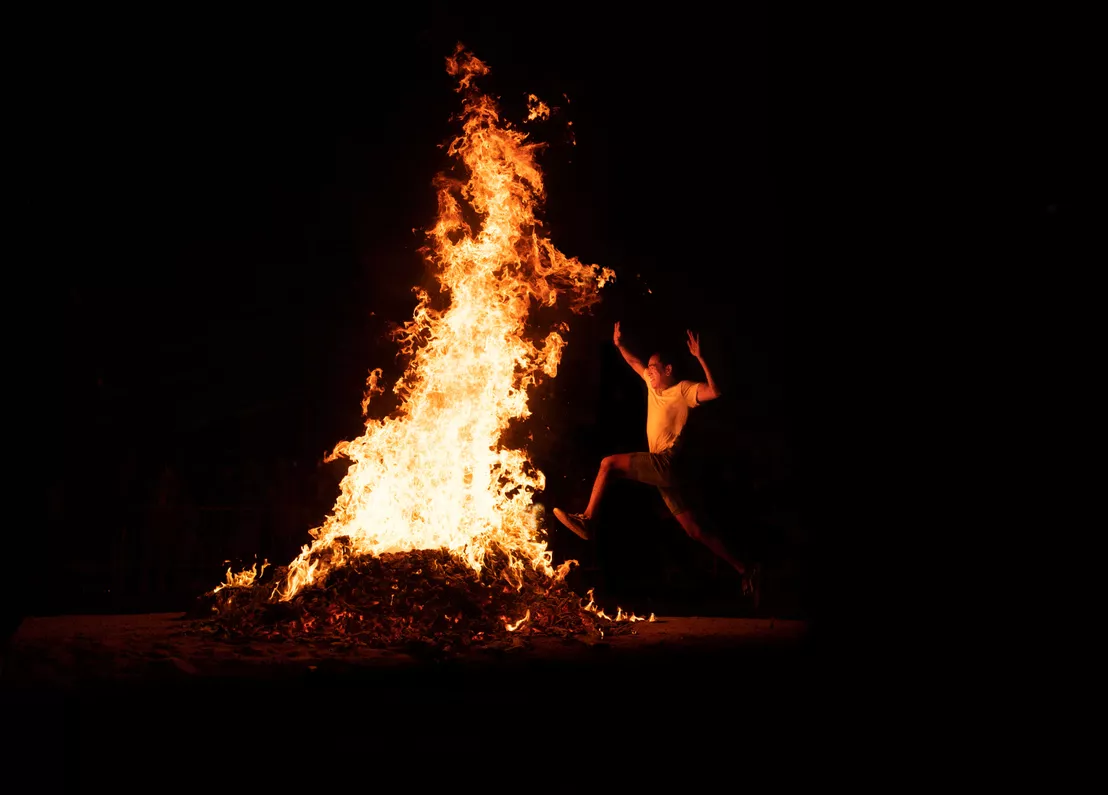
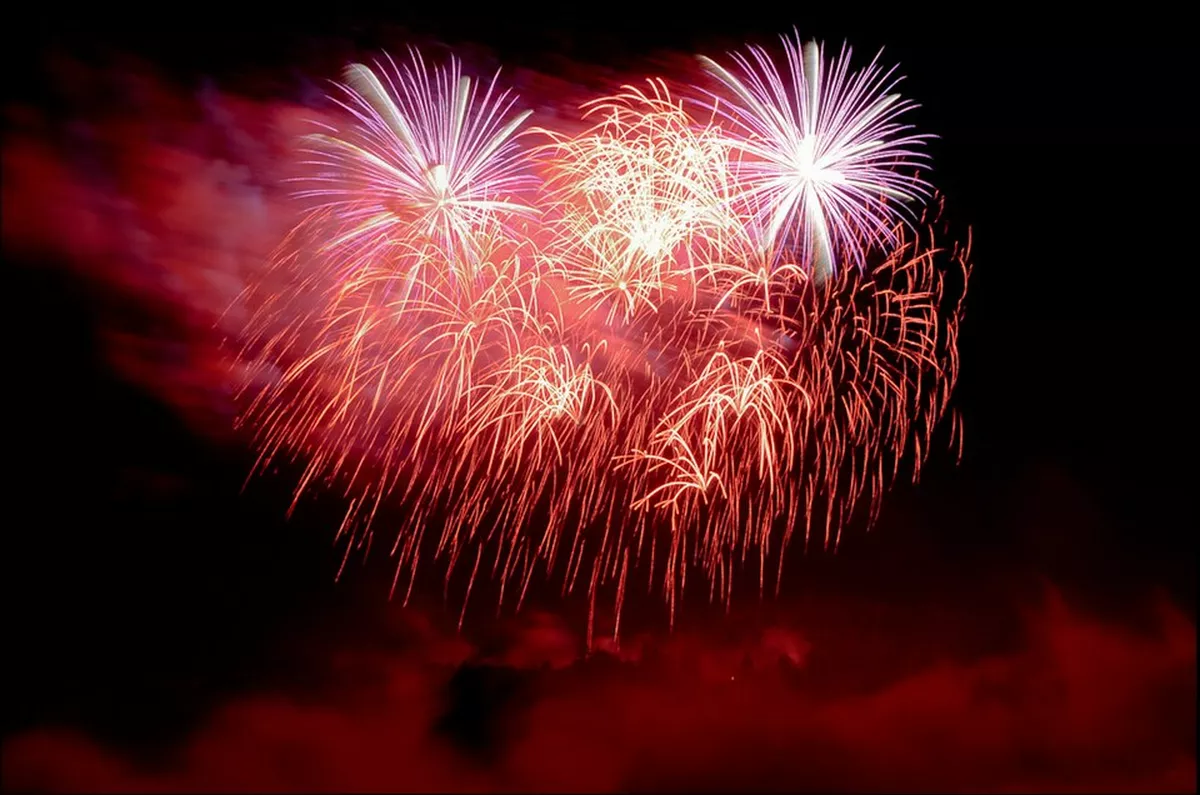
On June 23, the Night of Saint John is celebrated, a festival with pagan roots that the Catholic religion adapted by matching ancient ancestral rituals with the celebration of the birth of Saint John the Baptist.
Origin
Thousands of years ago, various European cultures celebrated the summer solstice, the shortest night of the year, by lighting bonfires in honor of the sun. Fire symbolized renewal, purification, and protection against negative forces.
Christian adaptation
With the expansion of Christianity, the Catholic Church incorporated these celebrations into its religious calendar, linking them to the birth of Saint John the Baptist. This is a unique case, as he is one of the few saints whose birth is liturgically commemorated, rather than his death.
Saint John in Catalonia
The celebration of Saint John is deeply rooted in Catalonia. Since the 1950s, the tradition of the Flama del Canigó has remained alive, a flame that is lit at the summit of this iconic mountain in the Pyrenees and distributed to hundreds of Catalan towns to light the bonfires of the festival night.
A night to share
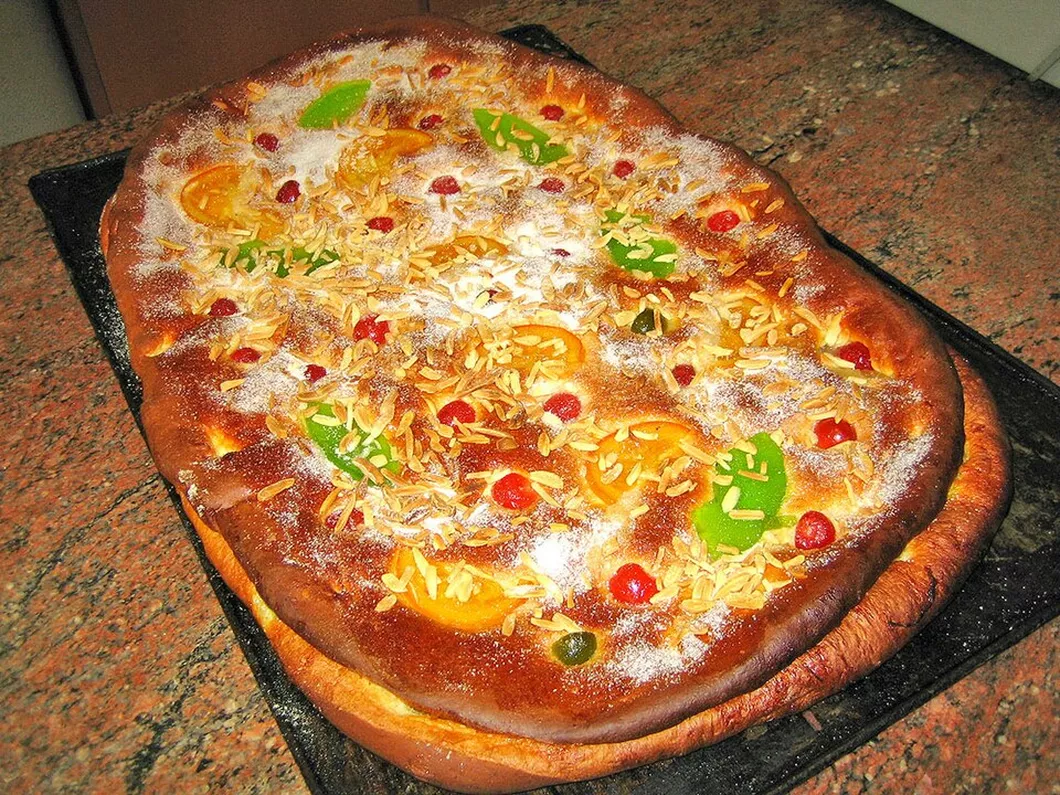
Today, the Night of Saint John is one of the most popular celebrations of the year. Family and friends gather around a table to enjoy a festive evening in which the traditional dessert cannot be missing: the coca de Sant Joan, a dough made with flour, eggs, and sugar that comes in multiple varieties, such as candied fruit, cream, or nuts.
In addition to the traditional bonfires —now strictly regulated due to the risk of fires—, fireworks remain one of the main features of this magical night.
We wish you a happy Saint John’s Eve!


